Effective Bedbug Extermination Techniques You Can Trust
Bedbugs are a persistent problem that can disrupt your life and affect your peace of mind. These tiny pests are notorious for their ability to hide in the smallest of spaces and reproduce quickly, making them a challenge to eliminate. If you find yourself facing a bedbug infestation, it’s crucial to act swiftly and effectively. This guide will explore effective bedbug extermination techniques that you can trust, ensuring you reclaim your space without unnecessary stress.
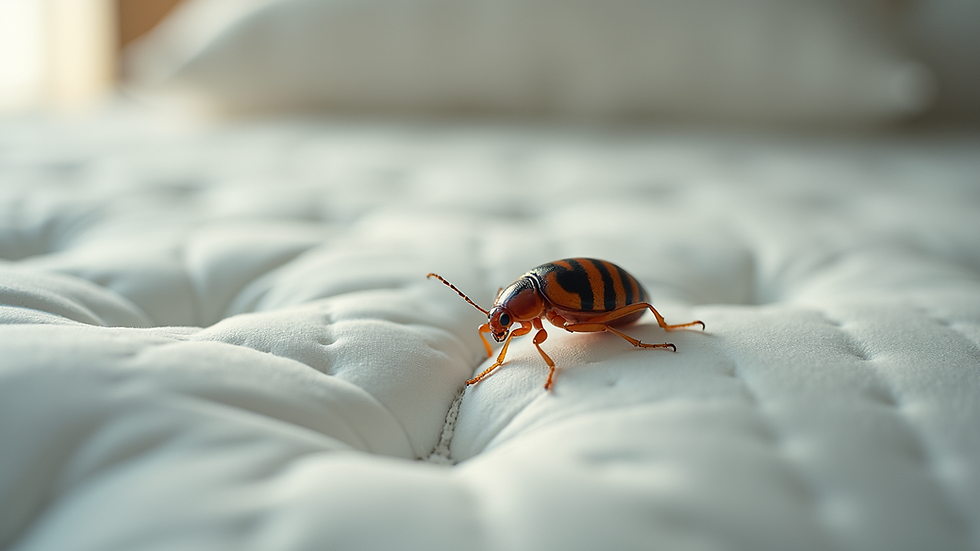
Understanding Bedbugs
What Are Bedbugs?
Bedbugs are small, reddish-brown insects that feed on the blood of humans and animals. They are typically about the size of an apple seed and are most active at night. Their flat bodies allow them to hide easily in cracks and crevices, making them difficult to spot until an infestation has occurred.
Signs of an Infestation
Recognizing the signs of a bedbug infestation early can save you time and money. Look for:
Bite Marks: Small, red, itchy welts on your skin, often in a line or cluster.
Fecal Stains: Dark spots on bedding or furniture, which are bedbug droppings.
Eggs and Shells: Tiny, white eggs or shed skins in hiding spots.
Musty Odor: A sweet, musty smell in heavily infested areas.
Preparing for Extermination
Assessing the Infestation
Before you begin extermination, it’s essential to assess the extent of the infestation. Check all areas where bedbugs might hide, including:
Mattresses and box springs
Bed frames and headboards
Furniture and upholstery
Baseboards and electrical outlets
Decluttering Your Space
To facilitate effective extermination, declutter your space. Remove unnecessary items and vacuum thoroughly. This not only helps in identifying hiding spots but also makes it easier for extermination methods to work effectively.
Extermination Techniques
1. Heat Treatment
Heat treatment is one of the most effective methods for eliminating bedbugs. This technique involves raising the temperature of the infested area to a level that is lethal to bedbugs.
How It Works: Professional exterminators use specialized equipment to heat rooms to around 120°F (49°C) for several hours. This temperature is sufficient to kill bedbugs at all life stages, including eggs.
Advantages: Heat treatment is chemical-free and can penetrate into walls and furniture, reaching bedbugs hiding in hard-to-reach places.
2. Chemical Treatments
Chemical treatments involve the use of insecticides specifically designed to target bedbugs.
Types of Insecticides: There are various types of insecticides available, including pyrethroids, neonicotinoids, and insect growth regulators. Each type works differently, so it’s crucial to choose the right one based on the severity of the infestation.
Application: It’s best to hire a professional pest control service for chemical treatments, as they have the expertise to apply these products safely and effectively.
3. Vacuuming
While vacuuming alone won’t eliminate bedbugs, it is an essential part of the extermination process.
How to Vacuum: Use a vacuum with a HEPA filter to capture bedbugs and their eggs. Pay special attention to seams of mattresses, carpets, and furniture.
Disposal: After vacuuming, seal the vacuum bag in a plastic bag and dispose of it outside to prevent any bedbugs from escaping back into your home.
4. Steam Cleaning
Steam cleaning is another effective method for killing bedbugs and their eggs.
How It Works: Steam cleaners heat water to a high temperature, which can kill bedbugs on contact. This method is particularly useful for treating bedding, carpets, and upholstery.
Caution: Ensure the steam cleaner reaches a temperature of at least 130°F (54°C) for effective results.
5. Mattress Encasements
Using mattress encasements can help prevent bedbugs from infesting your mattress and box spring.
How They Work: These encasements trap any existing bedbugs inside and prevent new ones from entering. They should be left on for at least a year to ensure all bedbugs are eliminated.
Choosing the Right Product: Look for encasements that are specifically labeled as bedbug-proof.
Post-Extermination Steps
Monitoring
After extermination, it’s crucial to monitor your space for any signs of bedbugs returning.
Regular Inspections: Check your bedding, furniture, and other areas regularly for any signs of bedbugs.
Use Bedbug Interceptors: These are small devices placed under bed legs to catch bedbugs as they try to climb up.
Preventing Future Infestations
Preventing future infestations is key to maintaining a bedbug-free environment.
Reduce Clutter: Keeping your space tidy reduces hiding spots for bedbugs.
Be Cautious with Second-Hand Items: Inspect and clean any second-hand furniture or clothing before bringing them into your home.
Travel Smart: When traveling, inspect hotel rooms for signs of bedbugs and keep your luggage off the floor.
When to Call a Professional
If your efforts to eliminate bedbugs are unsuccessful, it may be time to call in a professional pest control service.
Signs You Need Help: If you continue to see bedbugs after treatment or if the infestation is extensive, a professional can provide more advanced solutions.
Choosing a Service: Look for a pest control company with experience in bedbug extermination and positive reviews from previous customers.
Conclusion
Dealing with a bedbug infestation can be overwhelming, but with the right techniques, you can effectively eliminate these pests from your home. Whether you choose heat treatment, chemical solutions, or a combination of methods, the key is to act quickly and thoroughly. By following the steps outlined in this guide, you can reclaim your space and enjoy a peaceful, bedbug-free environment. Remember, prevention is just as important as extermination, so stay vigilant and take proactive measures to keep bedbugs at bay.


Comments